
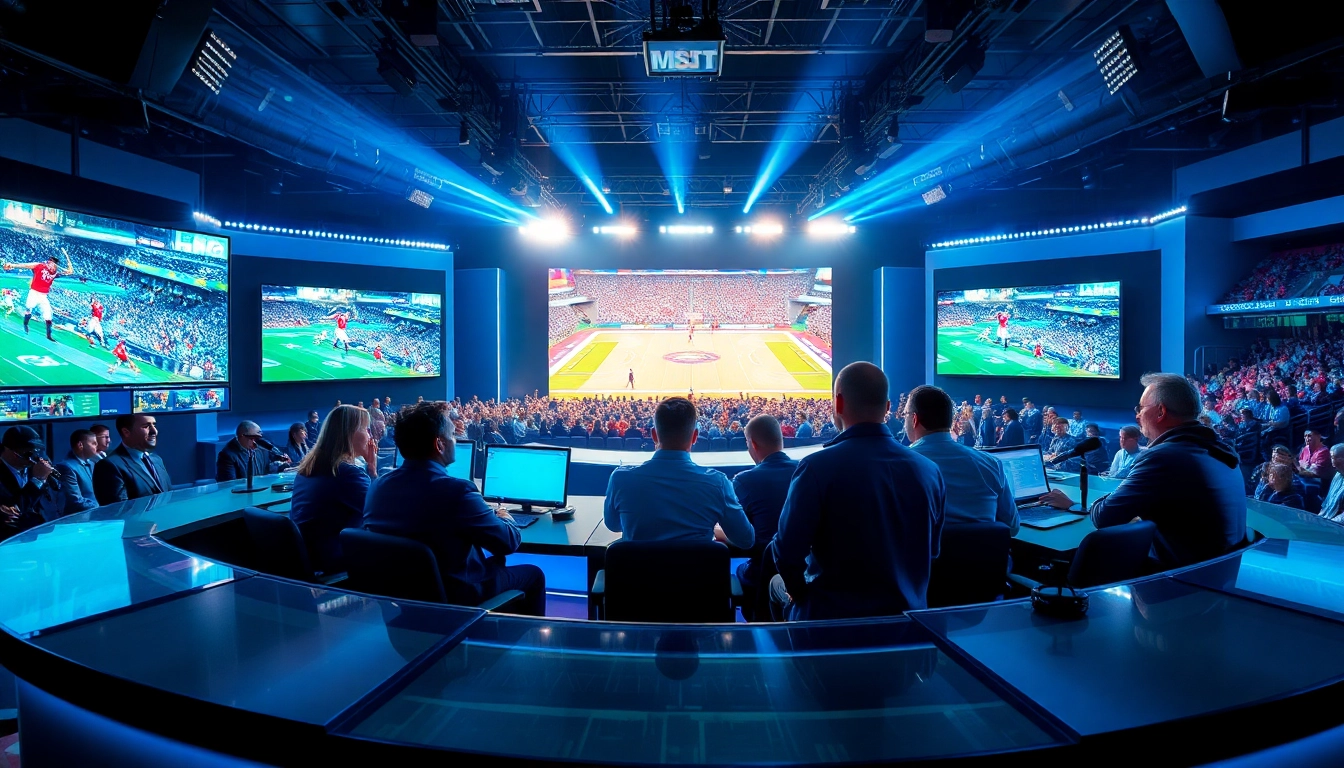
Understanding the Landscape of Sports Broadcasting
The field of Sports Broadcasting has undergone tremendous transformation over the past few decades. The rapid advancements in technology, coupled with changing viewer preferences, have not only shaped how sports events are broadcasted but have also redefined audience engagement and interaction. This comprehensive exploration will delve into the evolution, present challenges, essential skills, engagement strategies, and future trends in this dynamic industry.
The Evolution of Sports Broadcasting
The journey of sports broadcasting began in the early 1920s with the first radio broadcasts of specific sporting events. By the late 1930s, television had taken center stage, providing a visual experience that revolutionized how audiences engaged with their favorite sports. The 1960s introduced color broadcasts, while the turn of the millennium ushered in the age of digital broadcasting, enhancing clarity and reach. Fast forward to today, and we have streaming services, mobile apps, and social media platforms, all contributing to a more immersive sports viewing experience.
Key Technologies Shaping Today's Broadcasts
Modern sports broadcasting heavily relies on advanced technologies. High-definition (HD) and ultra-high-definition (4K) broadcasting provides clearer imagery. Drones and multiple camera angles enhance viewer engagement by offering unique perspectives of live events. Additionally, artificial intelligence (AI) and machine learning are being leveraged for real-time analytics, enabling broadcasters to deliver instant statistics and insights. Technologies like 5G are set to further revolutionize streaming capabilities, allowing for reduced latency and improved viewer experience.
Identifying Target Audiences in Sports Broadcasting
Understanding the target audience is crucial for any sports broadcaster. Different sports attract various demographics, influenced by factors such as age, gender, and geographic location. For instance, younger audiences may favor platforms like Twitch or YouTube for esports, while traditional sports fans may prefer cable TV. Conducting thorough market analysis helps broadcasters tailor their content, ensuring it resonates with specific groups and maximizing engagement.
Essential Skills for Sports Broadcasters
Communication and Presentation Skills
Effective communication and presentation skills are paramount for sports broadcasters. The ability to convey excitement, provide insightful commentary, and engage viewers is what sets successful broadcasters apart. Practicing voice modulation, diction, and clarity of speech can significantly enhance a broadcaster's on-air presence. Furthermore, a thorough knowledge of the sports being covered contributes to more impactful commentary and storytelling.
Technical Proficiency in Broadcasting Equipment
Today's broadcasters must also be familiar with various broadcasting tools and equipment. This includes understanding cameras, microphones, and broadcasting software. Knowledge of the workings of live editing and an awareness of sound mixing are indispensable. Familiarity with streaming platforms, video conferencing tools, and their integration into the broadcasting process is also crucial, especially with the rise of online sports content.
Understanding Sports Analytics and Stats
In an age where data drives decisions, sports broadcasters must be well-versed in analytics and statistics. Knowledge of player performance metrics, team statistics, and other analytical tools can enhance the depth of analysis provided during broadcasts. Broadcasters can engage their audience by integrating statistical insights and comparisons, fostering a more enriched viewing experience.
Engagement Strategies in Sports Broadcasting
Utilizing Social Media for Real-time Interaction
Social media platforms like Twitter, Instagram, and Facebook provide unparalleled opportunities for real-time interaction with audiences. Broadcasters can leverage these platforms for live updates, behind-the-scenes content, and fan interaction during games. Engaging with fans through polls, Q&A sessions, and responding to comments not only boosts viewer involvement but helps in building a loyal community around the broadcast.
Creating Immersive Viewing Experiences
To stand out in a crowded market, broadcasters must strive to create immersive viewing experiences. Incorporating technologies like augmented reality (AR) and virtual reality (VR) can deepen the audience's connection with the game. For example, VR can transport fans to the field or court, allowing them to experience events from unique angles. Implementing high-quality graphics and interactive elements during broadcasts enhances viewer engagement, making the experience more captivating.
Fostering Community through Audience Participation
Creating a sense of community is essential for sustained viewer interest. Broadcasters can encourage audience participation through contests, fan voting, and discussions. Live chats during broadcasts can facilitate interaction among viewers, making them feel part of a larger community. Recognizing fan contributions, introducing fan stories, and celebrating milestones fosters loyalty and engagement with the broadcasting brand.
Challenges Facing Sports Broadcasting Today
Adapting to Evolving Viewer Preferences
As technology evolves, so do viewer preferences. Today’s audiences are more demanding, expecting customized and on-demand viewing experiences. Broadcasters must adapt to these changes by offering flexible viewing options and engaging content that meets the specific interests of diverse audience segments. Failing to adapt can lead to disengagement and loss of viewership.
Legal and Ethical Considerations in Broadcasting
Sports broadcasters must navigate a complex landscape of legal and ethical considerations. Issues like copyright, broadcasting rights, and ethical reporting must be at the forefront of every broadcaster's mind. It is vital to ensure compliance with regulations while also maintaining transparency and integrity. Broadcasters must stay up-to-date with policies affecting their industry to avoid potential pitfalls.
Managing Broadcasting Rights and Distribution
Broadcasting rights are a critical aspect of the sports broadcasting landscape. The negotiation process for these rights can be resource-intensive and complicated. Additionally, ensuring distribution across multiple platforms—be it cable, streaming services, or social media—requires strategic planning. Broadcasters must create robust distribution strategies to reach a wide audience while maximizing revenue opportunities.
Future Trends in Sports Broadcasting
Innovations in Technology and Delivery Methods
The future of sports broadcasting will likely see even greater integration of technology. Innovations in streaming technology, 5G capabilities, and mobile broadcasting will continue to shape how sports are consumed. Broadcasters can leverage these advancements to provide more interactive experiences, cater to mobile users, and enhance the quality of content delivered.
The Role of Virtual Reality and Augmented Reality
AR and VR are at the forefront of immersive experiences in sports broadcasting. These technologies allow fans to experience games in ways previously unimagined. Future broadcasts may include interactive features where viewers can select different camera angles or receive real-time stats while watching. By leveraging these technologies, broadcasters can create a unique selling proposition that distinguishes them from competitors.
Anticipating Changes in Fan Engagement
As fan engagement strategies evolve, broadcasters must anticipate shifts in how audiences interact with sports content. The rise of gaming and esports, for instance, indicates a broader shift in entertainment preferences, inspiring traditional broadcasters to innovate. Providing interactive, gamified experiences, such as augmented reality experiences during live broadcasts, can create a more engaging and satisfying viewer experience.
Frequently Asked Questions
What is sports broadcasting?
Sports broadcasting refers to the live or recorded transmission of sports events through television, radio, or online platforms, aimed at delivering content to viewers.
How has technology affected sports broadcasting?
Technology has enhanced the quality of broadcasts, improved viewer engagement, and introduced real-time analytics, allowing for a richer viewing experience.
What skills are essential for sports broadcasters?
Key skills include effective communication, technical proficiency with broadcasting equipment, and a strong understanding of sports analytics and statistics.
What are some engagement strategies for broadcasters?
Utilizing social media for real-time interaction, immersive viewing experiences, and fostering community through audience participation are effective engagement strategies.
What future trends should broadcasters be aware of?
Emerging trends include innovations in delivery methods, increased use of AR and VR, and shifting fan engagement dynamics in the broadcasting landscape.