Understanding Auto Window Tinting
What is Auto Window Tint?
Auto window tinting involves applying a thin film of tinted material to the windows of vehicles. This film can range in darkness and type, significantly altering the light that enters the vehicle. The films are crafted from various materials, including dyed polyester, metalized layers, and ceramic coatings, providing different advantages such as heat rejection, UV protection, and glare reduction. The process is both artistic and scientific, with applications that extend beyond aesthetics to enhance comfort and safety within the vehicle.
Benefits of Auto Window Tint
Choosing to tint your vehicle's windows offers numerous benefits. Firstly, it greatly reduces heat buildup inside the car, especially during hot summer months, providing greater comfort for you and your passengers. Secondly, window tinting offers excellent UV protection, blocking up to 99% of harmful rays that can lead to skin cancer and contribute to the interior fading of your vehicle. Additionally, tinted windows enhance privacy and security, making it difficult for outsiders to see inside, thereby reducing theft risks. Finally, the application of window tint can yield improved fuel efficiency due to reduced reliance on air conditioning, providing long-term financial benefits.
Why Choose Professionals for Installation?
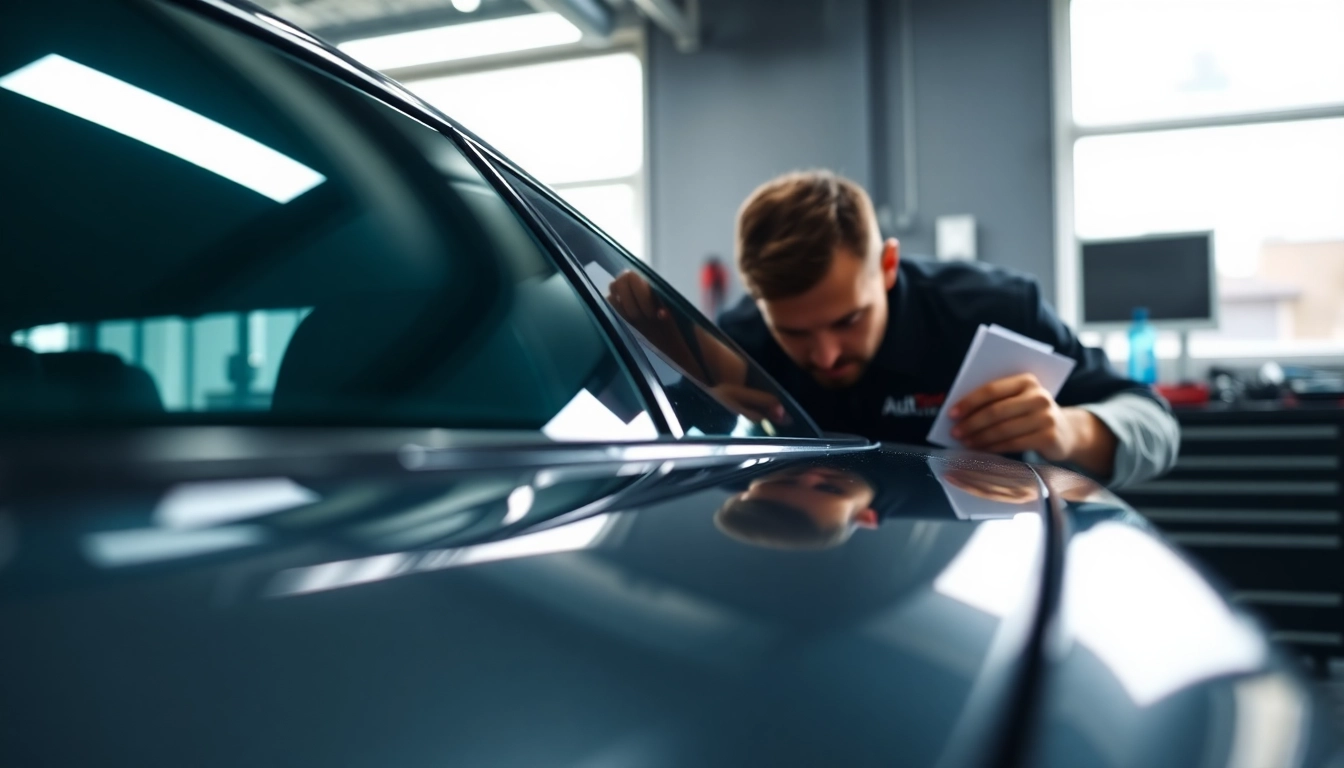
While DIY kits for window tinting are available, hiring a professional ensures a superior finish and long-lasting effects. Professionals are equipped with the expertise required to handle the intricacies of installation, including precise measurements and the application of film without bubbles or creases. Mistakes made during DIY installations can lead to peeling or bubbling, which can result in additional costs for reapplication. By opting for professional services, you receive warranties and ongoing support, ensuring customer satisfaction and high-quality results.
Choosing the Right Window Tint
Types of Window Tint Films
There are several types of window tint films available on the market, each designed to meet different needs and preferences. Dyed window films provide a basic level of heat and glare reduction and are often the most economical option. Metalized films contain reflective materials that offer excellent heat rejection and added privacy but may interfere with radio signals. Carbon films offer a balance of durability and appearance without the reflective quality of metal, while ceramic films, though more expensive, provide the ultimate in UV protection, heat rejection, and clarity without changing the vehicle's appearance.
Factors to Consider When Selecting Tint
When selecting the appropriate tint for your vehicle, consider factors such as local climate conditions, the primary purpose of the tint, and personal style preferences. The amount of sun exposure your vehicle will receive influences the type of tint required. Additionally, aesthetics play a crucial role; the tint should complement the vehicle's design while providing desired functionality. Ensure to also factor in the legal regulations of window tinting in your area, as specifications can vary widely from state to state.
Legal Regulations on Window Tinting
Legal regulations governing window tinting differ by location and are crucial to comply with to avoid penalties. For instance, some states have laws dictating the level of visible light transmission (VLT) allowed, which varies for the front and rear windows. Researching these laws beforehand will ensure that your tinting choices are within legal guidelines. Being informed protects you from fines and ensures that your vehicle remains roadworthy and compliant with local regulations.
Finding Auto Window Tint Near Me
Using Online Tools for Local Searches
Finding a reliable service for auto window tint near me can be efficiently done through online search tools. Utilizing search engines, local business directories, and mapping services can yield a list of nearby professionals who specialize in window tinting. Pay attention to the proximity, as well as the service ratings and offerings, to select the best match for your needs.
Reading Reviews and Testimonials
Customer reviews and testimonials provide invaluable insights into the quality of service offered by window tinting professionals. Websites, social media platforms, and community forums typically host feedback from previous customers, detailing their experiences with specific services. When researching, look for consistent themes in reviews, such as quality workmanship, customer service, and the durability of the tinting. These insights can guide you in making an informed decision.
Social Media Platforms for Recommendations
Social media has become a significant platform for seeking recommendations and reviews. Engaging with local groups and asking for suggestions can provide firsthand accounts and experiences from individuals who have previously availed of window tinting services. Additionally, visiting the social media pages of specific tinting businesses can yield insights into their projects, customer interactions, and any promotions they may offer.
Preparing for Your Tint Installation
What to Expect During Installation
During the tint installation process, expect your vehicle to be thoroughly cleaned to eliminate any dust, dirt, or debris that could affect the adhesive's bond. The film will then be precisely measured and cut to fit each window. The application typically involves the use of a squeegee to press the film into place smoothly, ensuring a bubble-free finish. The timeframe for installation can vary based on the vehicle type and the number of windows, but it usually ranges between two to four hours.
How to Care for New Window Tint
Proper care for your new window tint is essential for maintaining its appearance and functionality. It is advisable to refrain from rolling down the windows for at least 48 hours post-installation to allow the film to properly adhere. Regular cleaning with a soft, lint-free cloth and a mild, non-ammonia cleaner will help maintain clarity. It's also important to avoid using abrasive materials that may scratch or damage the film.
Common Myths About Window Tinting
Several myths surround window tinting that can deter potential customers. A prevalent misconception is that window tints are primarily for aesthetics; however, they provide significant functional benefits such as UV protection and heat reduction. Another common myth is that all tint films are of the same quality, but this is far from the truth. Moreover, some believe that window tinting makes vehicles too dark inside, yet modern technologies have developed high-performance films that allow visibility while still providing privacy and protection.
Measuring the Impact of Tinting
Assessing Heat Reduction and UV Protection
To measure the impact of window tinting, start by assessing heat reduction and UV protection. After installation, users often notice a difference in the temperature inside the vehicle, particularly during sunny days. Many tint films boast UV protection ratings, effectively blocking harmful rays and promoting a healthier environment. Use thermometer readings or UV meters to quantify this difference over time.
Evaluating Aesthetic Changes to Your Vehicle
Evaluating aesthetic changes after window tinting involves analyzing the visual appeal and overall look of the vehicle. High-quality tinting enhances the vehicle’s design and can make it appear more sophisticated. It's helpful to consider how the tint complements the car's existing colors and features. Recording before-and-after photographs can solidify the visual impact and confirm the perceived enhancement.
Customer Satisfaction and Long-Term Benefits
Customer satisfaction should be monitored through feedback and follow-up surveys. Positive responses often correlate with increased comfort and improved vehicle aesthetics, leading to long-term benefits. Additionally, tracking trends in energy savings by monitoring fuel consumption and air conditioning usage can further illustrate the effectiveness of window tinting over time, enhancing customer loyalty and positive word-of-mouth recommendations.
FAQs
What are the best types of window tint?
The best types of window tint include ceramic, carbon, and metalized films, each providing various levels of heat and UV protection.
Can I install window tint myself?
While DIY window tint kits are available, hiring a professional is recommended for better results and longevity.
How long does window tint last?
Quality window tint can last anywhere from five to fifteen years, depending on the film type and installation quality.
Is window tinting legal everywhere?
No, window tinting regulations vary by state and local laws, so it’s essential to check the specific laws in your area.
Will window tint affect visibility at night?
Quality window tints are designed to maintain optimal visibility at night while providing privacy and other benefits during the day.